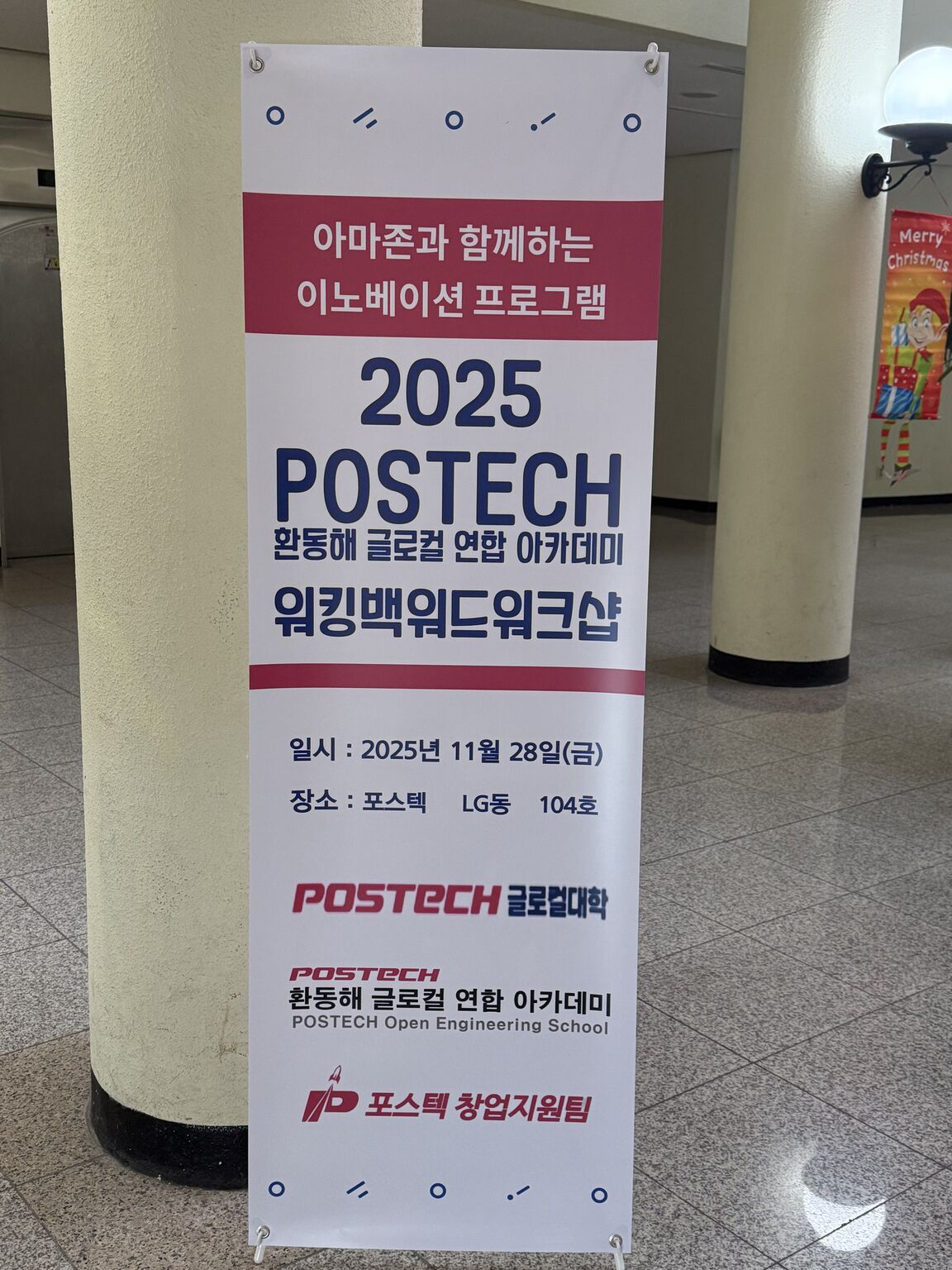
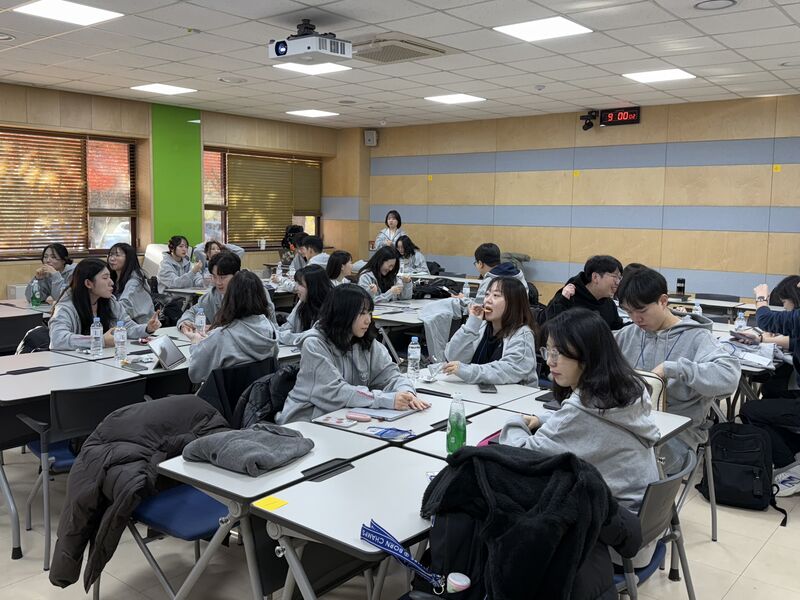
On November 28, 2025, I facilitated a Working Backwards workshop at the POSTECH East Coast Glocal Alliance Academy. Teams that generate technology ideas quickly often need less help with ideation and more help pausing to expose which assumption could break the product before implementation.
The FAQ became the central artifact. It was not an appendix of anticipated questions; it became the first technical risk register and backlog.
Split a technology idea into three hypotheses
“AI analyzes data and provides a personalized result” mixes several assumptions. Teams separated:
- problem hypothesis — the first customer experiences this as an important problem;
- value hypothesis — the result changes customer behavior or judgment;
- technical hypothesis — available data, model, latency, and cost can produce that result.
A successful demo does not validate all three. A model can work for a product nobody needs. Users may like an experience that cannot scale under data authority or operating cost.
Write each FAQ as risk plus validation
The FAQ included unknowns and paired each with a first check:
| Question | Product risk | First validation |
|---|---|---|
| What if required data is absent? | Core output cannot be produced | Verify sample and access |
| What if the model is wrong? | User takes a harmful action | Design confidence and human review |
| What if the response is late? | The usage moment is missed | Measure target latency and fallback |
| What if the user does not trust it? | Output does not change behavior | Test an evidence-display prototype |
This table became the first backlog. Work could reduce the risk most likely to break the customer promise rather than prioritizing the most visible screen.
Aim the demo at the riskiest assumption
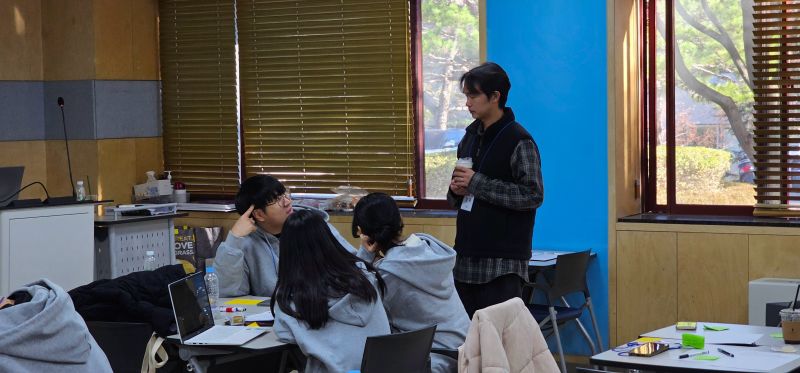
One demo did not need to contain every hypothesis. Each team selected the most uncertain and consequential assumption.
When data was the risk, the demo tested a pipeline with a real sample. When trust was the risk, it tested an interaction that displayed result and evidence. When feasibility was already known, it stopped repeating a model demo and observed whether the result changed a user’s decision.
A small demo was defined by clarity about what it proved, not by low feature count. Mocked and implemented boundaries were disclosed in the presentation.
Connect presentation questions to the next sprint
The presentation expanded the FAQ instead of defending the original idea. A new risk gained an owner, validation method, and decision consequence.
Privacy questions became masking and retention tasks. Cost questions became usage assumptions and budget thresholds. Wrong-recommendation questions became human review and safe fallback.
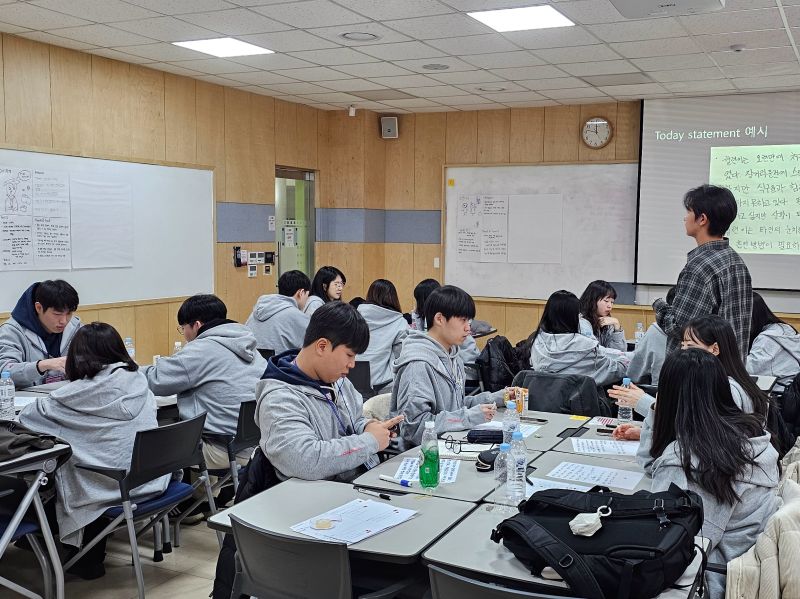
At POSTECH, Working Backwards went beyond rewriting an idea in customer language. It moved product-breaking questions earlier and converted them into a risk backlog that architecture and the first sprint could actually address.
Comments